

Match Odds
Who wins. Priced from the toss and repriced after every over. In a T20 chase the number moves fastest between overs 12 and 17 — that is where the game is usually decided.
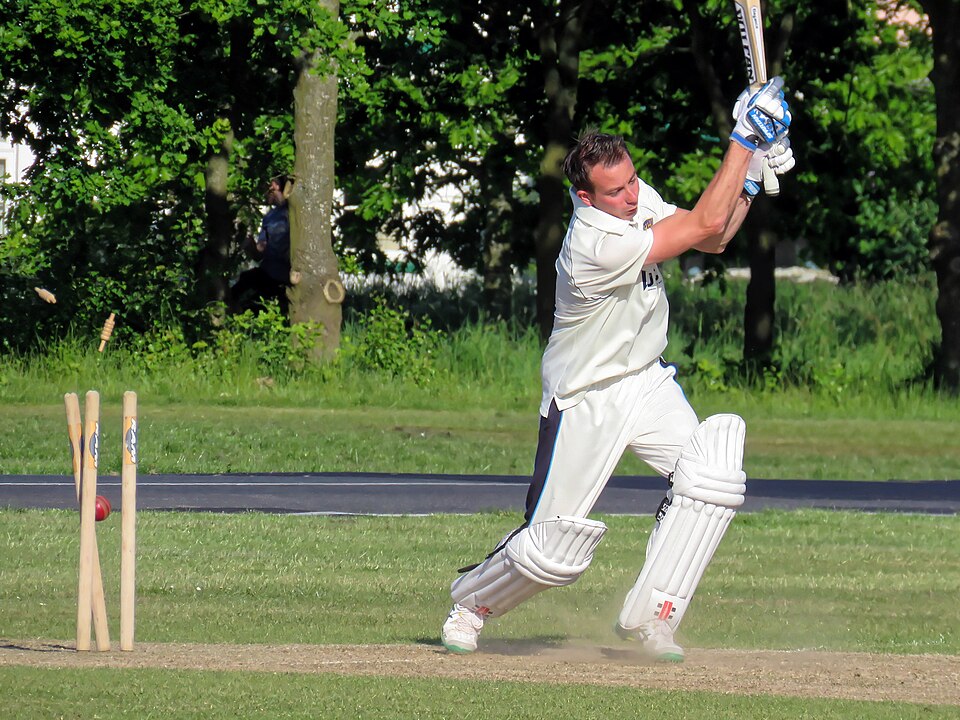
India's #1 Sport
Every IPL night, every India series, and the domestic games most sites ignore. Match odds, session runs, top batsman and in-play markets that move with every ball — funded by UPI and paid out in minutes. Bets start at ₹100.
Prices shown are illustrative
Mumbai v ChennaiLive
Min 100 · Max 2,00,000
Min 100 · Max 2,00,000
Meerut Mavericks v Noida Super Kings
Min 100 · Max 50,000
Alleppey Ripples v Calicut Globstars
Min 100 · Max 50,000
Min 100 · Max 20,000
Min 100 · Max 20,000
Betting Markets
An IPL match opens with more than 250 markets. These are the eight that carry almost all the money.
Who wins. Priced from the toss and repriced after every over. In a T20 chase the number moves fastest between overs 12 and 17 — that is where the game is usually decided.
Runs in a block of overs. The 6-over line in an IPL innings usually opens somewhere near 52 to 58. Back over or under it, and it settles the moment the block ends.
Highest scorer in an innings. Openers are always shortest because they are guaranteed to face the most balls — a number four is longer for exactly that reason.
Most wickets in the innings. At Chepauk the spinners are shortest; at Mohali the new-ball seamers are. The ground tells you more than the name does.
The score when the next wicket falls. It reprices ball by ball and settles within a few overs, which makes it the fastest-turning market on the board.
A single over, priced fresh each time. Lines rise for the powerplay and the last four overs, and drop through the middle when a spinner is on.
Bowled, caught, LBW, run out or stumped for the next wicket. Caught is the favourite in almost every T20 innings, which is why it pays least.
Season-long IPL and World Cup markets. Because you can lay as well as back, a price taken in March can be traded out in May without waiting for the final.
Know the Ground
A score of 170 is below par at the Chinnaswamy and a winning total at Chepauk. This is the single most useful thing to know before you bet on an IPL match.
| Ground | City | How it plays | What that means for your bet |
|---|---|---|---|
| M. A. Chidambaram, Chepauk | Chennai | Slow, grips and turns from around the tenth over | Par drops to roughly 165. Spinners lead top bowler. Chasing is hard. |
| M. Chinnaswamy | Bengaluru | Short square boundaries, quick outfield, some altitude | Par climbs past 200. Every session and over line sits higher here. |
| Wankhede | Mumbai | True bounce, fast outfield, heavy evening dew | Par near 190, and the side chasing under lights is genuinely favoured. |
| Eden Gardens | Kolkata | True surface, big square boundaries, fast outfield | Par near 185. Good batting, but the boundaries keep it honest. |
| Arun Jaitley, Kotla | Delhi | Slower than it looks, grips through the middle overs | Middle-overs sessions regularly go under the opening line. |
| Rajiv Gandhi, Uppal | Hyderabad | Good batting surface, true bounce, dew in the evening | Par near 190. The toss carries more weight than at most grounds. |
| Narendra Modi Stadium | Ahmedabad | Varies completely with how the pitch is prepared | No reliable par. Read the pitch report for that specific match. |
| Ekana Stadium | Lucknow | Slow and two-paced, hard to time the ball | One of the lowest-scoring grounds in the IPL. Unders are live here. |
Par is a starting point, not a rule. Pitches get re-laid, curators change, and a used surface in the back half of an IPL season plays slower than the same strip did in March. Use the table to know what to expect, then let the first six overs tell you whether it is holding true tonight.
Coverage
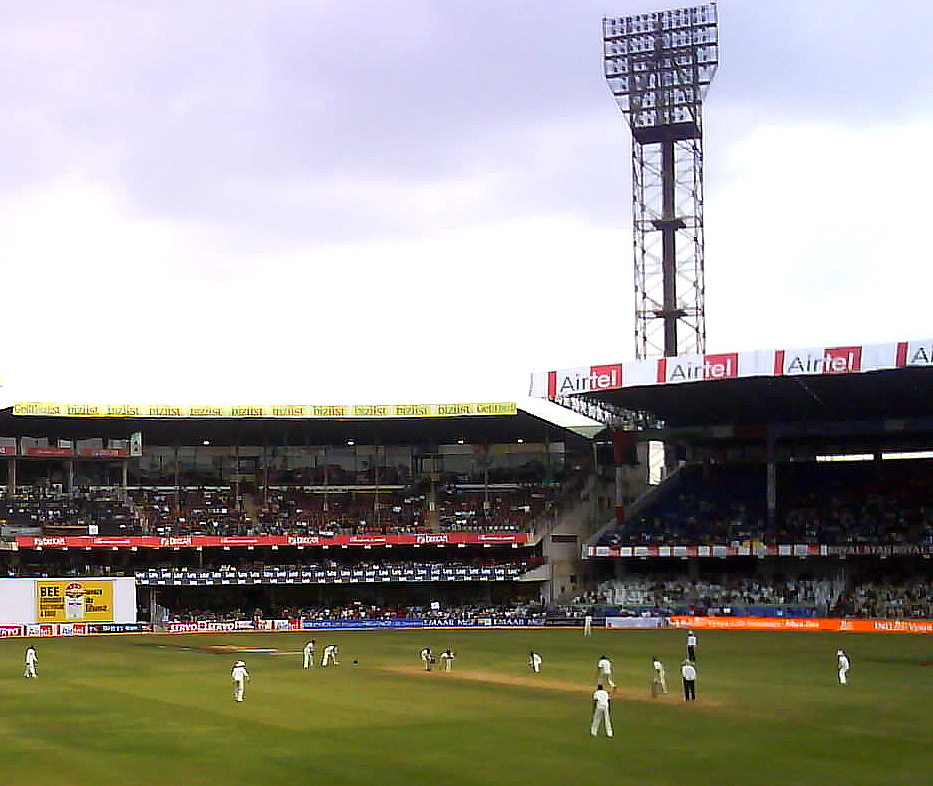
The IPL pays the bills, but there is cricket worth betting on almost every week of the Indian calendar.
Getting Started
Roughly five minutes from opening the site to having a position on tonight's match.
Most people who bet on cricket in India already know the game well. They can tell you which bowler is bowling the nineteenth over and why. What they usually have not done is connect that knowledge to a price — and that gap is where money is won and lost. This section is about closing it.
At the Wankhede, at Uppal and at most Indian grounds hosting a night game, dew settles on the outfield somewhere around the tenth over of the second innings. A wet ball does two things: it skids on to the bat instead of gripping, and it becomes very hard for a spinner to hold. Both help the chasing side. So when the captain who wins the toss says "we'll bowl first," the market shortens them, and it is usually right to.
Chepauk is the exception worth memorising. There the surface breaks up rather than freshens, so batting gets harder as the match goes on. Chennai captains bat first far more often than the rest of the league, and a 165 there is worth more than a 190 in Bengaluru. If you take one habit from this page, make it this: do not place a match odds bet until you have seen the toss.
Say the 6-over line for an IPL innings opens at 54. You think the pitch is flat and the bowling attack is thin, so you back over 54 for ₹1,000. Two boundaries in the first over and the line moves to 58 — your bet is already ahead, because you took 54. A wicket in the third over and it slides to 49. At the end of the sixth over the actual score is 61, so the over bet wins.
The important detail is that the line moves while the block is still running, which means you are not stuck with your first opinion. If you backed over 54 and the openers went at three an over, you can lay the same session at a lower line to cut the loss before it settles. Sessions settle three or four times in a single innings, so this happens far more often than a match odds bet ever does — and that speed is exactly why session betting eats bankrolls when the stakes are not controlled.
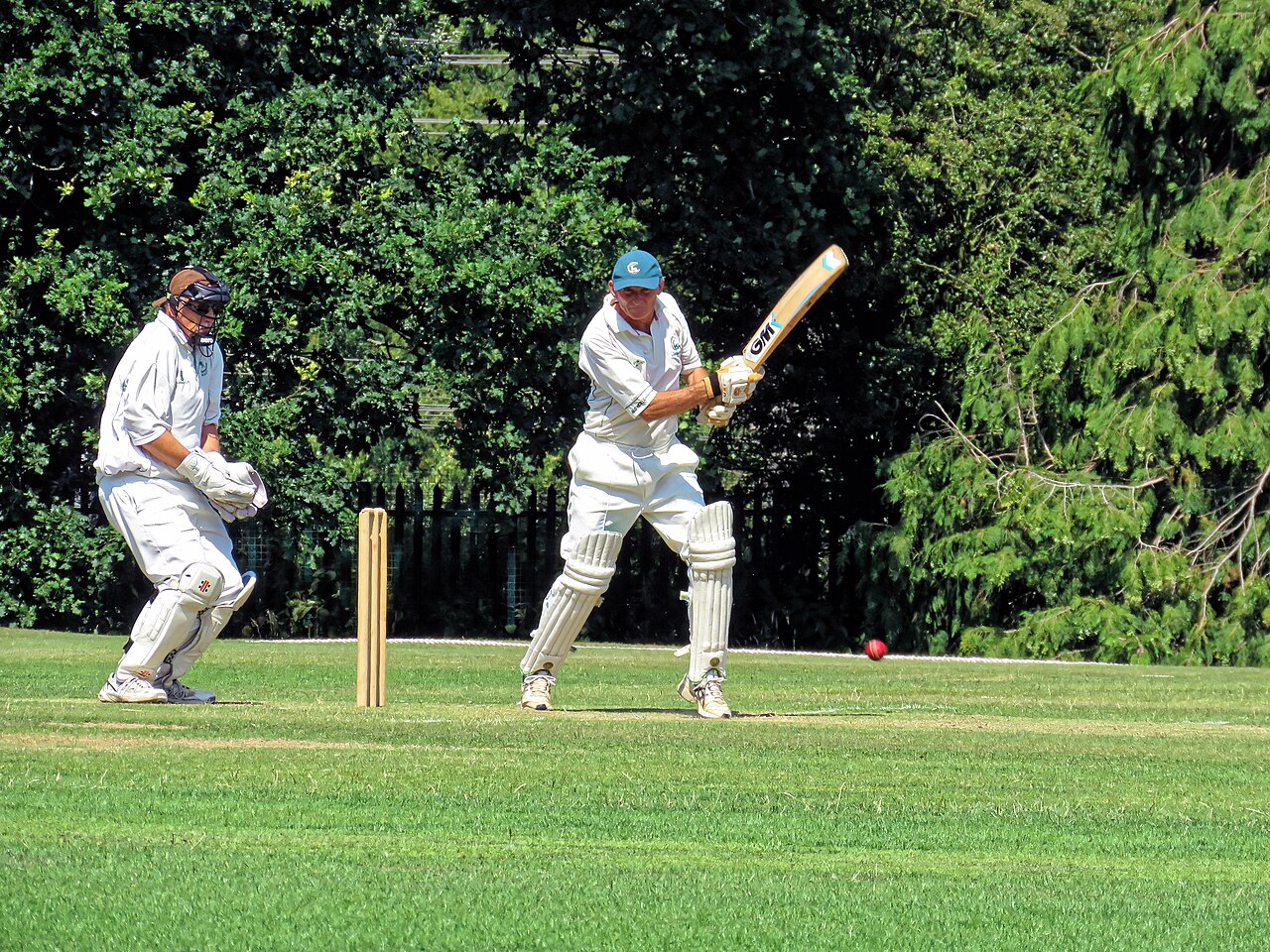
Here is the mechanic that most Indian punters coming from a bookmaker have never used. You back Mumbai at 2.20 for ₹1,000 before the chase. They reach 60 without losing a wicket and the price shortens to 1.60. You now lay Mumbai at 1.60 for ₹1,375. Whatever happens next — collapse, comfortable win, super over — you are up roughly ₹375 and you have no exposure left.
You have traded a bet that could win ₹1,200 or lose ₹1,000 for one that wins ₹375 and cannot lose. Sometimes that is the right call and sometimes it is not. But having the choice at all is the whole reason an exchange is different from a bookmaker, and it is the first thing worth learning here. Our live betting guide works through more examples of this.
Four patterns come up again and again. The first is betting every match of a double-header because it is on, rather than because there is a price worth taking. The second is chasing a lost session by doubling up on the next one — sessions settle every few overs, so this unwinds a bankroll faster than any other market on the site.
The third is backing your own team. Almost everyone reading this supports a franchise, and almost nobody prices their own team accurately. The fourth is ignoring the ground entirely and betting a total based on what the last match at a different venue produced. If you fix only the ground one, you will already be ahead of most people betting the same match.
An IPL match takes bets up to ₹2,00,000 and a club game far less — each row on the board shows its own ceiling. Sessions and over markets settle within seconds of the block ending; match odds settle once the official result is confirmed. If a game is abandoned or rain-shortened, each market follows the settlement rule printed on it, and DLS results settle on the official revised result.
Money reaches your wallet as soon as a market settles, and a withdrawal from a verified account is usually in your bank inside ten minutes — that holds on IPL nights too, which is when it actually matters. Set a deposit limit before the season starts if you know the IPL is where your betting concentrates; responsible gaming explains how. Cricket betting is for people aged 18 and over.
FAQ
The things people ask before their first cricket bet, answered without the sales pitch.
Open an account with your mobile number, verify the OTP, and add money through UPI. Pick any match from the board above, choose a market such as match odds or the 6-over session, tap the blue cell to back it or the pink cell to lay it, and enter your stake. Minimum is ₹100. The bet shows in your open bets immediately and settles automatically once the market ends.
It is an over-or-under bet on the runs scored in a block of overs. The most common blocks in a T20 innings are the first 6, the first 10 and the full 20. FairPlay posts a line — say 54 for the powerplay — and you back over or under it. The line moves ball by ball as the block progresses, and it settles the moment that over is complete, so several sessions settle inside one innings.
Backing is betting that something happens. Laying is betting that it does not. Lay Chennai and you win if anyone else wins, which in a two-team match means you have effectively backed Mumbai. The useful part is that you can do both on the same match at different times — back a team at 2.20 before the chase, lay them at 1.60 once they are ahead, and you have locked in a profit before the last ball.
On several Indian grounds, yes, and more than most people price in. At the Wankhede and Uppal, dew arrives in the second innings and makes the ball skid on, which helps the chasing side and hurts the spinners. At Chepauk the opposite applies — the surface deteriorates and chasing gets harder. Waiting the extra ten minutes for the toss is usually worth more than any pre-match research.
The IPL and WPL in full, every India international across Tests, ODIs and T20s, both World Cups, the Asia Cup, Ranji Trophy and Syed Mushtaq Ali, the state leagues such as TNPL and KPL, and the overseas T20 leagues — Big Bash, PSL, CPL, SA20 and The Hundred — which fill the Indian night when nothing is on at home.
Minimum is ₹100 on almost every cricket market. Maximum depends on the match: IPL and India internationals go up to ₹2,00,000, big domestic T20 games sit around ₹50,000, and smaller age-group or club fixtures are lower. Every row on the board shows its own minimum and maximum before you bet.
Markets close for a few seconds around wickets, boundaries and the end of an over while the price is recalculated. It is normal, not a fault. Without it, bets would get matched at prices that the last delivery had already made wrong. The market reopens as soon as the new price is formed, usually before the next ball is bowled.
Session and over markets settle within seconds of that block finishing. Match odds settle once the official result is confirmed, usually within a few minutes of the last ball. Winnings land in your wallet straight away, and a withdrawal from a verified account is normally in your bank in under ten minutes, including on IPL nights when volumes are at their highest.
Explore FairPlay