


 Cricket
 Football
 Kabaddi
 Tennis
 Basketball
 Horse Racing
Decimal odds
The number is your total return per rupee staked. Back at 2.50 with ₹1,000 and you get ₹2,500 back — your stake plus ₹1,500 profit.
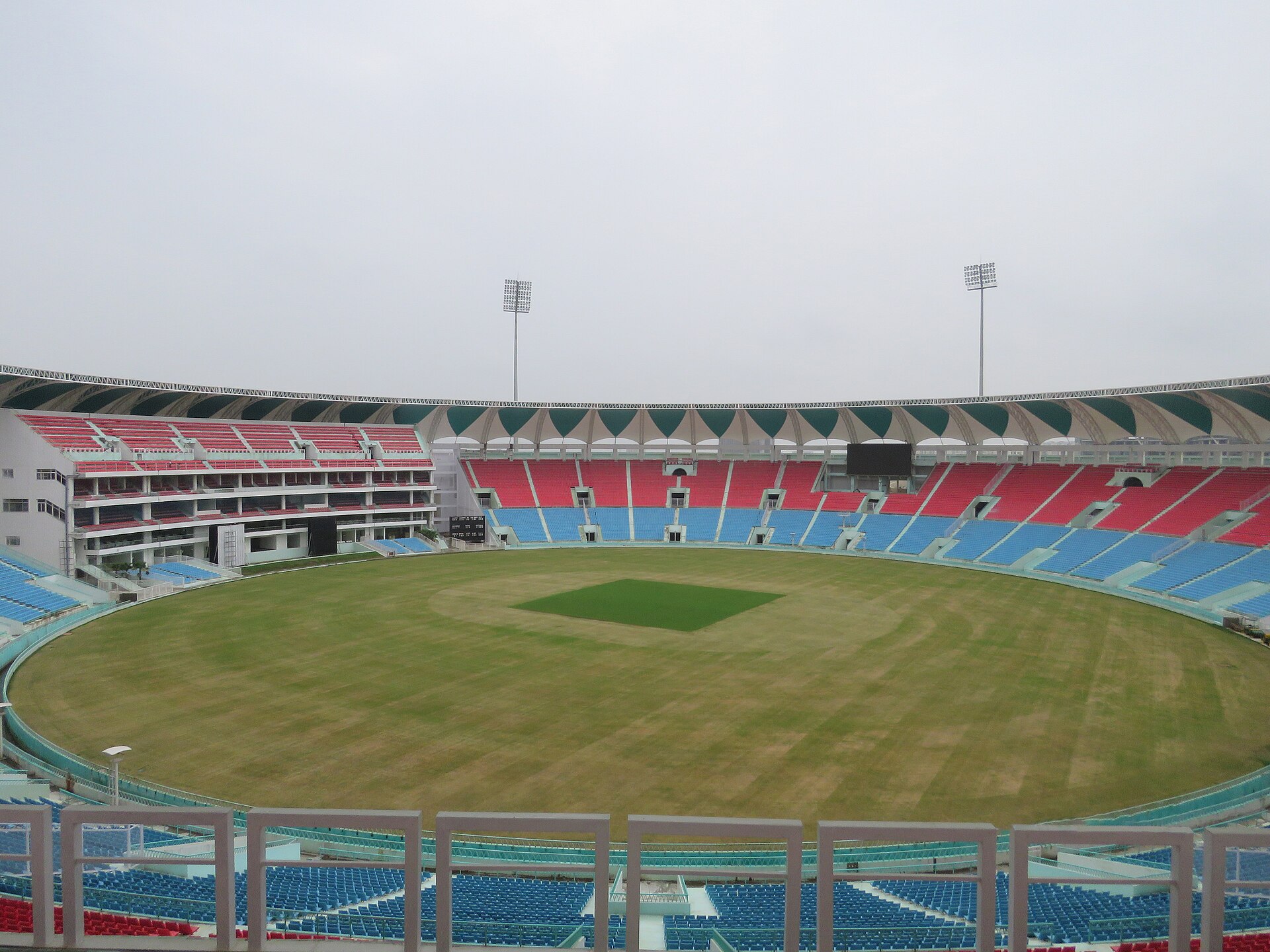
30+ Sports
Exchange pricing across cricket, football, kabaddi and more. Back or lay any outcome, trade out mid-match, and settle it all from one UPI wallet. If you are new to this, the odds table below is the place to start.
Prices shown are illustrative
Mumbai v ChennaiLive
Min 100 · Max 2,00,000
Min 100 · Max 2,00,000
Min 100 · Max 1,00,000
Min 100 · Max 50,000
Jaipur Pink Panthers v Bengaluru BullsLive
Min 100 · Max 25,000
Sports
Markets, seasons, venues and strategy, written separately for each one rather than repeated.
Reading a Price
Decimal odds are the only format on this site. Once you can read one, every market on every sport becomes readable.
| Odds | Implied chance | ₹1,000 returns | Of which profit |
|---|---|---|---|
| 1.20 | 83.3% | ₹1,200 | ₹200 |
| 1.50 | 66.7% | ₹1,500 | ₹500 |
| 1.80 | 55.6% | ₹1,800 | ₹800 |
| 2.00 | 50.0% | ₹2,000 | ₹1,000 |
| 2.50 | 40.0% | ₹2,500 | ₹1,500 |
| 3.00 | 33.3% | ₹3,000 | ₹2,000 |
| 5.00 | 20.0% | ₹5,000 | ₹4,000 |
| 10.00 | 10.0% | ₹10,000 | ₹9,000 |
The whole of betting is in that second column. A price of 4.00 implies a 25% chance. If you genuinely think the chance is 35%, the bet is worth making. If you think it is 15%, it is not — however much you want the team to win.
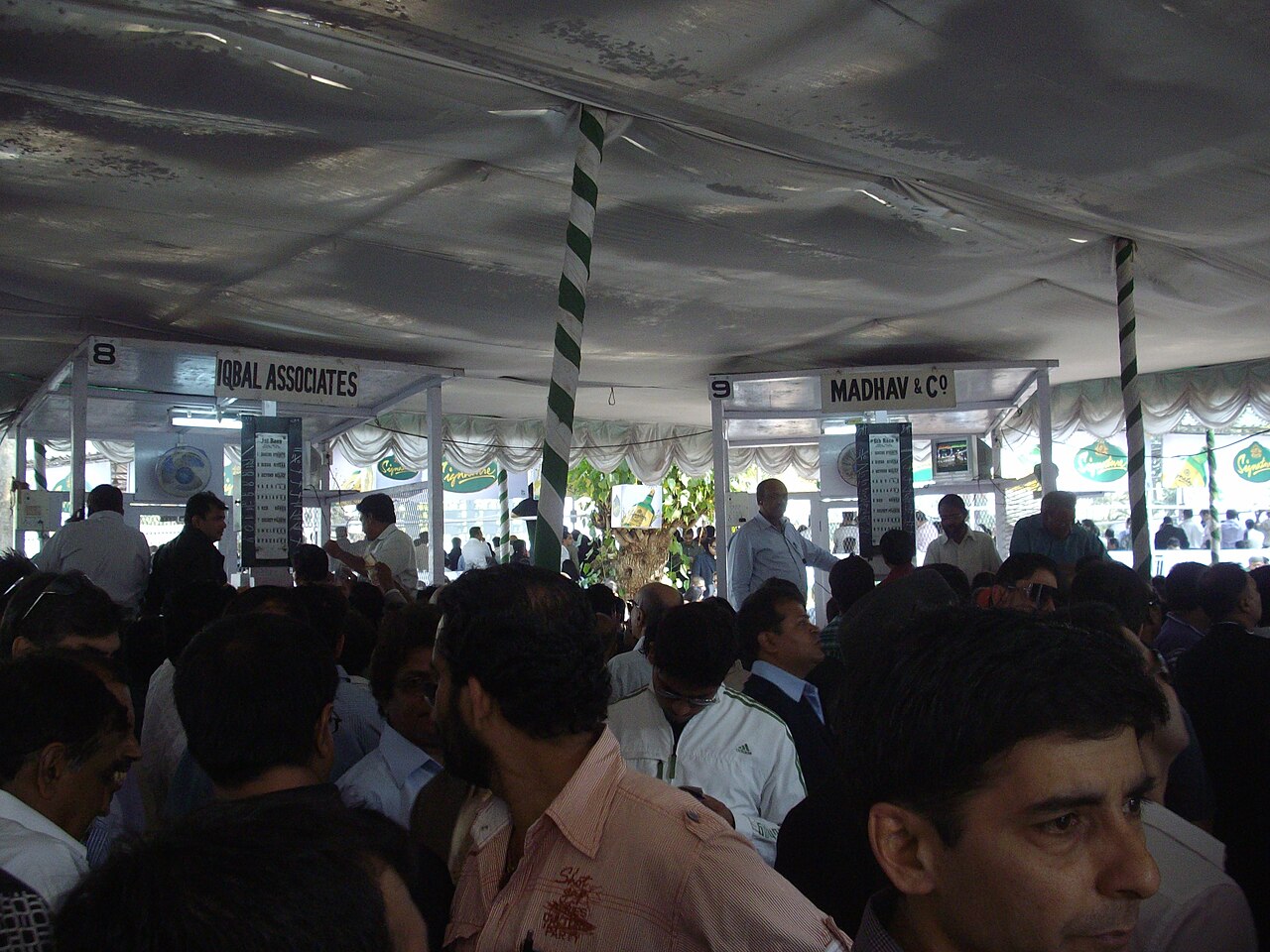
The Indian Betting Year
Indian sport has a rhythm. Knowing it tells you when the deep markets are and when the quiet, mispriced ones show up.
| When | What is running | Worth knowing |
|---|---|---|
| January – February | Australian Open, India home Tests and ODIs, ISL in full swing | Mahalaxmi and Kolkata racing seasons both running |
| March – May | Indian Premier League | Peak season. Two matches most weekends, the deepest markets of the year |
| June – July | Overseas Test tours, Wimbledon, TNPL and state T20 leagues | The quietest cricket window — state leagues fill the evenings |
| July – October | Pune monsoon racing, Asia Cup or World Cup in most years | Racing moves inland to soft ground |
| September – March | Indian Super League | 7:30 PM IST kick-offs, which suits an Indian evening perfectly |
| October – December | Pro Kabaddi League | Thin markets, strong local knowledge — the best value window of the year |
| October – February | Ranji Trophy and domestic first-class cricket | Daytime cricket while the evenings belong to football and kabaddi |
| August – May | Premier League, La Liga, Champions League | Kick-offs from 6:30 PM to 1:30 AM IST |
The Basics
You do not need more than this to bet sensibly. Most people who lose money are missing the last one, not the first.
The number is your total return per rupee staked. Back at 2.50 with ₹1,000 and you get ₹2,500 back — your stake plus ₹1,500 profit.
Back is betting something happens. Lay is betting it does not. Blue cells on the board back, pink cells lay — and being able to do both is what an exchange gives you.
Divide 100 by the odds. A price of 4.00 implies a 25% chance. If you think the real chance is higher than that, the bet is worth making.
A single backs one outcome. An accumulator multiplies several together — four legs at 1.50 each pays 5.06, and every one of them has to land.
Back early, lay later at a shorter price, and take a guaranteed profit before the event ends. Impossible with a bookmaker; routine here.
Fix your bet size at one or two percent of your balance and hold it there. On ₹20,000 that is ₹200 to ₹400 a bet, win or lose.
Two people can watch the same match, reach the same conclusion, and one of them makes money while the other does not. The difference is never who understood the game better. It is what price each of them took.
Add up the implied chances across a market and you should get 100%. A bookmaker offering 1.90 and 1.90 on a two-way market is implying 52.6% for each side — 105.3% in total. That extra 5.3% is their margin, built into the price before you have done anything.
The same market on an exchange might sit at 1.98 and 2.02. Add those up and you get almost exactly 100%, because the platform is not taking the other side of your bet — another player is. Commission is charged on net winnings instead, which is a very different thing from a margin baked into every price you see.
Take a cricket market at 1.90 with a bookmaker against 1.98 on the exchange. Stake ₹10,000. If it wins, the bookmaker returns ₹19,000 and the exchange returns ₹19,800. That is ₹800 for exactly the same opinion about exactly the same match.
Do that twenty times in an IPL season and you are ₹16,000 better off without having predicted a single extra result correctly. Price matters more than most tipping does, and it is the one part of betting fully within your control.
Most people who stop betting did not run out of good opinions. They ran out of money during a losing run, because their stake size grew while they were losing. A run of six or seven losing bets is completely normal, even for someone picking winners at a good rate.
Fix a unit — one to two percent of your balance. On ₹20,000 that is ₹200 to ₹400 a bet, on every bet, whether you are certain or guessing. It feels too small when you are confident. That feeling is precisely the reason the rule works.
IPL markets are the deepest and the most efficiently priced on the site, because everybody is looking at them. That makes them a good place to bet and a hard place to find an edge.
The interesting windows are elsewhere. Pro Kabaddi between October and December is followed closely in India and barely anywhere else. State T20 leagues in June and July run when the cricket market is distracted. Indian racing at Mumbai and Bangalore rewards form study almost nobody does. If you want an edge rather than an evening, that is where to look.
Every bet you place is stored in your account history. Reading it once a month tells you things watching sport never will — which sports you actually profit in, whether your in-play bets do better than your pre-match ones, and whether your stakes creep upward when you are behind.
Almost nobody does this, which is exactly why it is worth doing. Deposit and loss limits are available in your account if the review suggests you need them — responsible gaming covers the options, and support can set one up in a minute. Betting is for adults aged 18 and over.
FAQ
Odds, margins and money, for people starting from scratch.
Create an account with your mobile number and verify the OTP, add money through UPI, then pick a sport from the board. Choose a market, tap the blue cell to back an outcome or the pink cell to lay it, and enter your stake. The minimum is ₹100 on most markets. Your bet appears in your open bets immediately and settles automatically once the market ends.
Decimal odds tell you your total return per rupee staked, including the stake back. At 2.50, a ₹1,000 bet returns ₹2,500 — your ₹1,000 plus ₹1,500 profit. Anything under 2.00 means the outcome is favoured; anything over 2.00 means it is an underdog. Divide 100 by the odds and you get the chance the price implies.
A bookmaker sets a price and takes the other side of your bet, building a margin into the odds. An exchange matches you against another player who wants the opposite position and charges a commission on net winnings instead. A typical bookmaker two-way market prices at 1.90 and 1.90, which adds up to a 5.26% margin. The same market on an exchange might be 1.98 and 2.02, which is essentially no margin at all.
Take a two-way cricket market. A bookmaker offers 1.90; the exchange offers 1.98. Stake ₹10,000 and a winning bet returns ₹19,000 at the bookmaker and ₹19,800 on the exchange — ₹800 more for the identical opinion about the identical match. Over a season of regular betting, that gap does more for your results than most of the tipping you will read.
Laying means backing something not to happen. Lay a cricket team and you win if either side other than that team wins, which in a two-team match means you have effectively backed the opposition. Its real use is trading: back a side at 2.20 before the chase, lay them at 1.60 once they are ahead, and you have locked in profit whatever the final result is.
Pick a unit — one to two percent of your balance — and stay on it. With ₹20,000 in your account that means ₹200 to ₹400 a bet regardless of how confident you feel. Losing runs of six or seven bets are completely ordinary even for a winning bettor, and a fixed unit is what lets you survive them. Raising your stake to recover a loss is the single most common way accounts empty out.
Cricket by a very wide margin, particularly the IPL and India internationals. Football is second, split between the Premier League overnight and the ISL at Indian evening times. Kabaddi comes third during the Pro Kabaddi season, and it is where local knowledge is worth the most because the markets are thinner. After those three, tennis, basketball and the Indian racing circuit take up whatever evenings are left.
Markets settle against the official result, usually within minutes of an event finishing, and the money goes straight to your wallet. A withdrawal from a verified account is normally in your bank inside ten minutes, 24x7 — including on IPL nights and weekend football, when demand is at its highest.
Explore FairPlay