
Cash games
Chips equal rupees, and you can leave whenever you like. The most forgiving format for learning because a mistake costs one pot rather than a tournament life.
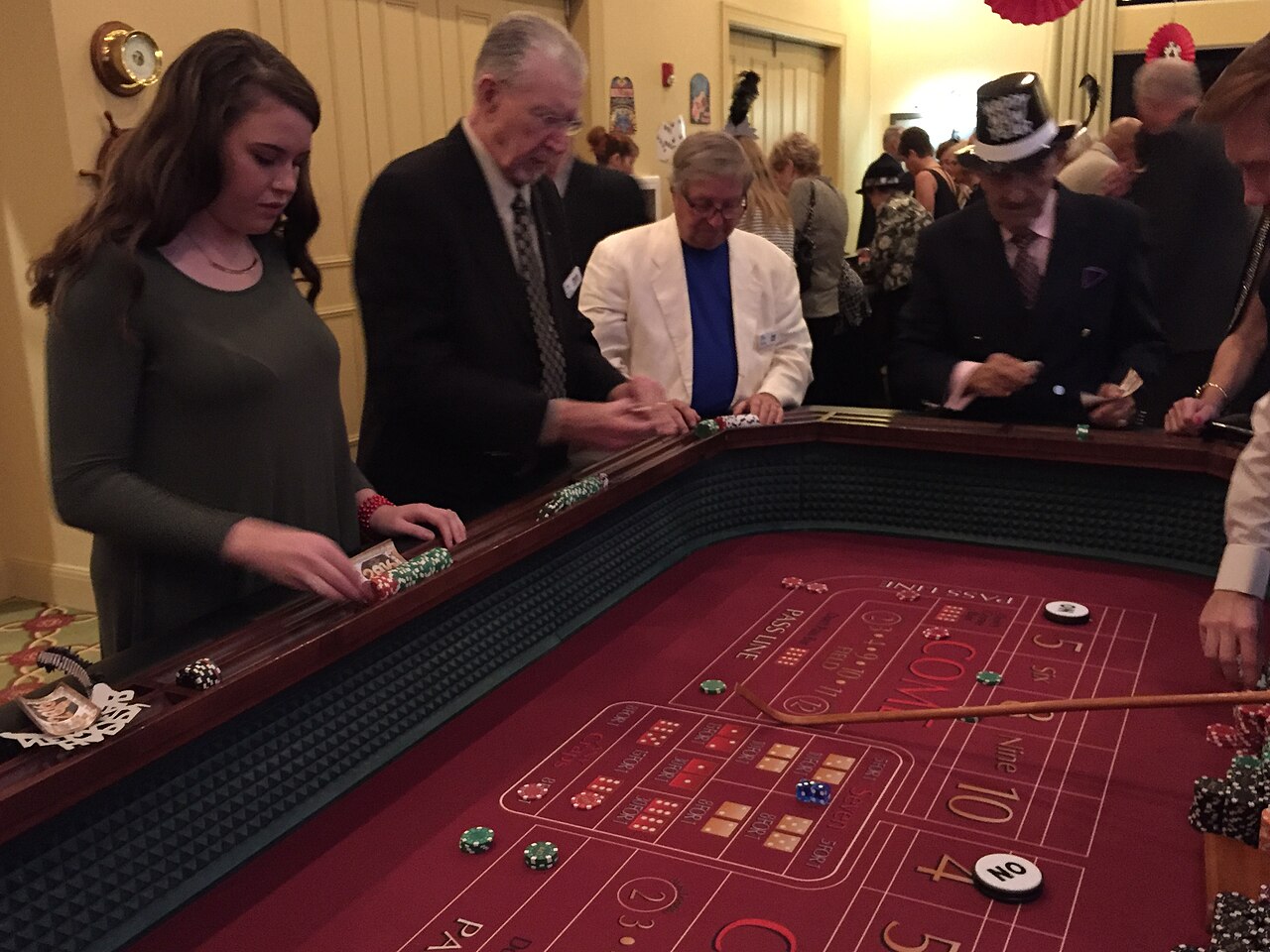
Cash games, tournaments & sit and go
Poker is the only game in this casino with no house edge at all. The house takes rake and then steps aside — your money comes from the other players, which means being better than them is the whole proposition.
The One Calculation
Divide the call by the pot plus the call and you have the share of the time you need to win for the call to break even. It takes a second and most losing players never do it.
| Pot | To call | You are getting | You need to win |
|---|---|---|---|
| ₹900 | ₹100 | 9 : 1 | 10.0% |
| ₹500 | ₹100 | 5 : 1 | 16.7% |
| ₹1,000 | ₹250 | 4 : 1 | 20.0% |
| ₹300 | ₹100 | 3 : 1 | 25.0% |
| ₹200 | ₹100 | 2 : 1 | 33.3% |
| ₹600 | ₹300 | 2 : 1 | 33.3% |
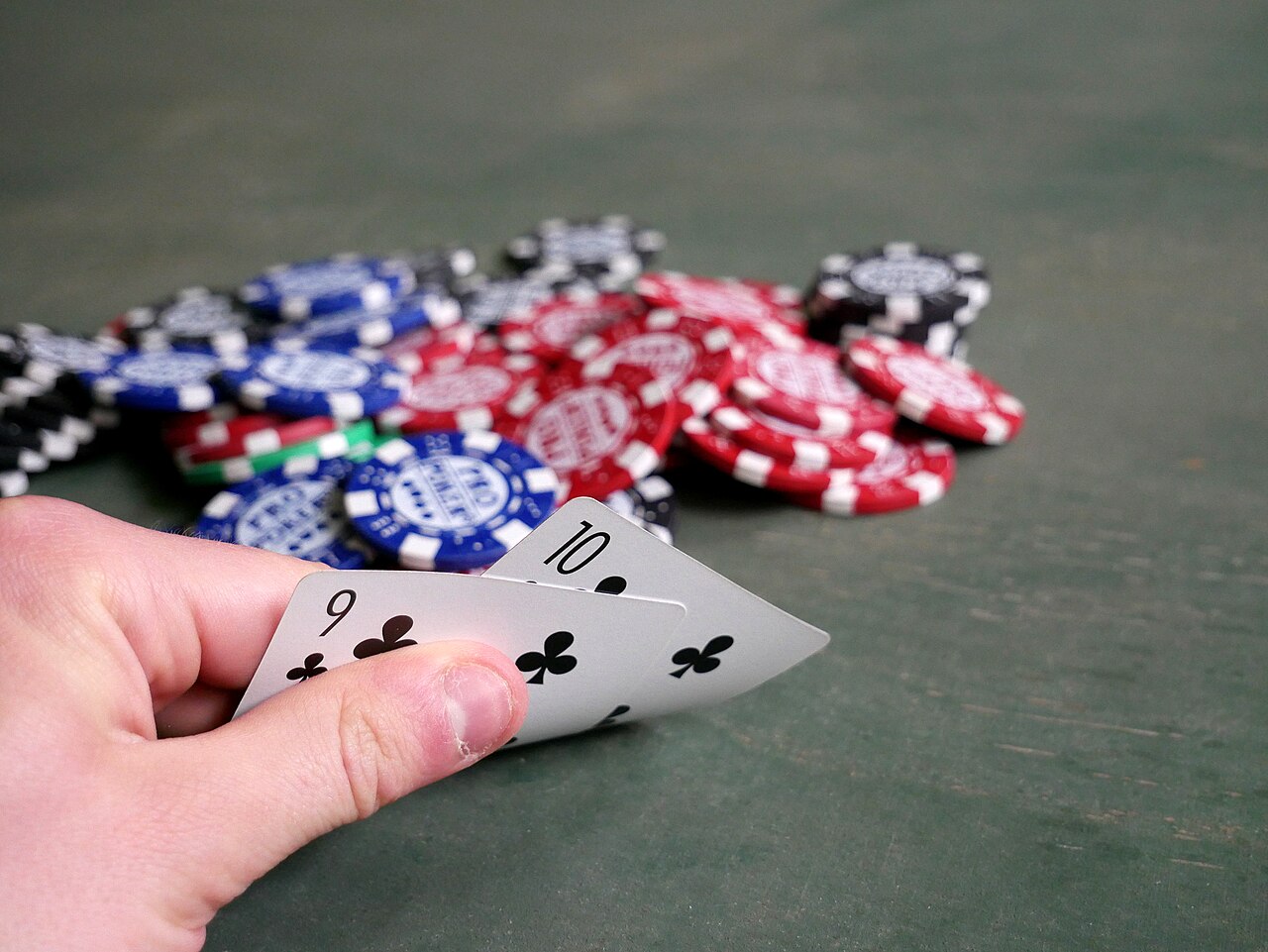
A flush draw is a call here and a fold there. With nine outs you win about 35% of the time by the river. Facing a ₹100 call into a ₹300 pot you need 25%, so calling is correct. Facing a ₹300 call into a ₹600 pot you need 33.3%, and it is close enough that the rest of the hand decides it. The cards did not change between those two situations — only the price did.
Where The Shortcut Breaks
Multiply your outs by four on the flop for a rough chance of hitting by the river. It is a good rule up to about nine outs. After that it flatters you.
| Outs | Typical draw | Rule of 4 says | True chance | Error |
|---|---|---|---|---|
| 4 | Gutshot straight | 16% | 16.5% | −0.5 |
| 8 | Open-ended straight | 32% | 31.5% | +0.5 |
| 9 | Flush draw | 36% | 35.0% | +1.0 |
| 12 | Gutshot plus flush draw | 48% | 45.0% | +3.0 |
| 15 | Straight plus flush draw | 60% | 54.1% | +5.9 |
| 21 | Very big combination draw | 84% | 69.9% | +14.1 |
The error runs in the dangerous direction. Up to nine outs the rule is within a point and perfectly usable. On the big combination draws — the hands you are most likely to commit your stack with — it overstates: fifteen outs is 54.1%, not the 60% the rule promises, and twenty-one outs is nearly fourteen points out. The rule of 2 on the turn drifts the other way and slightly understates, so eight outs is 17.4% rather than 16%. Neither is a reason to stop using them, only to know which way each one lies.
Formats
Cash games, tournaments and everything between, from ₹50 buy-ins upward.
Chips equal rupees, and you can leave whenever you like. The most forgiving format for learning because a mistake costs one pot rather than a tournament life.
One buy-in, play until you bust or win. Long, high-variance and the format where a small entry can return a very large multiple.
A single table that starts once it fills. Roughly an hour, with a fixed cost known in advance, which makes it easy to budget.
Four hole cards, two of which must play. Far bigger hands and far bigger swings, and it punishes Hold'em instincts hard.
Six seats or nine. Six-max plays faster and looser because the blinds come round more often, which changes what a hand is worth.
Buy-ins from ₹50 upward. Learning at the smallest stakes costs very little and teaches the same lessons as the big tables.
Everywhere else in this casino, the house is the other side of your bet and the price is fixed in advance. Poker works differently. The operator deals the cards, takes a small cut of each pot and has no stake in who wins. Your profit, if there is one, comes out of the pockets of the people at the table.
That structure sounds like it removes the cost, and it does not — it relocates it. Picture six players of identical ability. With no rake, the game is zero-sum and all six break even forever. Introduce a rake and every one of them loses, at exactly the rake rate, because money is leaving the table that none of them is winning back.
So the requirement is not to be good. It is to be better than your table by more than the rake removes. That is a meaningfully higher bar than most beginners assume, and it is the reason choosing a softer table matters more than any individual clever play. It is also, for what it is worth, the only game in the lobby where the question "am I good enough?" has any bearing on the answer — everywhere else the house edge applies whoever you are.
A great many Indian players arrive at poker already knowing Teen Patti, and the good news is that the hardest skill transfers intact. Reading people, sensing when a bet is confidence and when it is performance — that is the difficult part of both games, and a Teen Patti player has been practising it for years.
What Hold'em adds is three things. Community cards in the middle, which everyone builds from, and which create draws — hands that are not yet anything but might become the best hand. Variable bet sizing, so how much you bet is itself a decision and a signal, rather than a set amount. And position, meaning the order you act in, which changes hand by hand as the button moves.
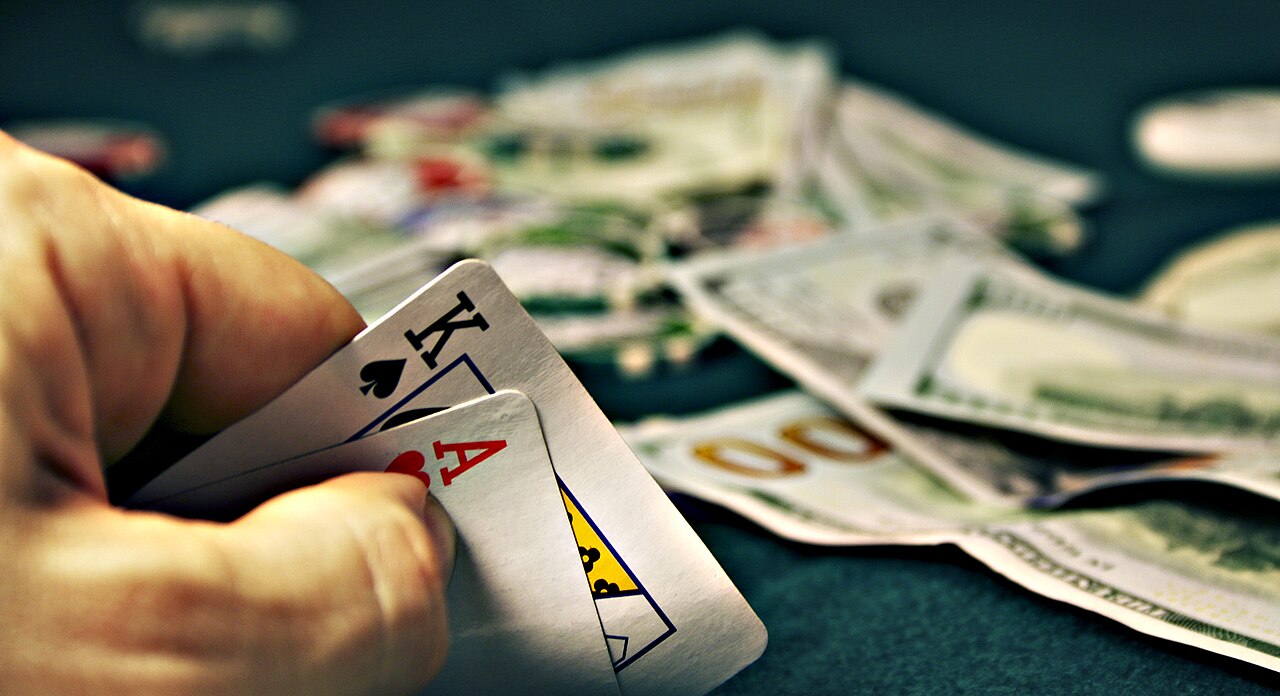
Of the three, position is the one newcomers underrate most. Acting last on every betting round means every decision you make is informed by what everybody else already did. Acting first means committing chips before you know anything.
The practical effect is that identical cards are worth substantially more in late position than in early, and a hand you should throw away from first seat can be a comfortable raise from the button. If you take one habit away from this page, it is to play more hands when you are last to act and fewer when you are first. It costs nothing to adopt and it works immediately.
Once community cards exist, most difficult decisions are about draws — whether the price you are being offered justifies chasing a hand that is not yet made. That is exactly what the two tables on this page are for. Count your outs, convert to a rough percentage, compare it against what the pot is offering, and you have an answer that does not depend on how you feel about the hand.
The hard part is not the arithmetic, it is acting on it when the answer is fold. A flush draw looks the same whether it is priced well or badly, and the pull to see one more card is the single most expensive habit in low-stakes poker.
Buy-ins begin at ₹50, and there is no version of learning this game that is cheaper than learning it at those stakes. The errors that lose money at micro stakes are precisely the errors that lose money higher up — calling too wide, ignoring position, chasing without the price — so paying a few hundred rupees for those lessons rather than a few thousand is simply better value.
Because poker sessions run long and a tournament can last hours, deposit and session limits are worth setting before you sit rather than during a losing stretch. Responsible gaming lists the tools, and deposits covers funding an account through UPI in seconds.
FAQ
Rake, pot odds, the rule of 4, and moving over from Teen Patti.
No, and that makes it the odd one out in the whole casino. Every other game here prices itself against you — roulette takes 2.70%, blackjack around 0.5%. Poker takes rake, a small cut of each pot, and then leaves the players to compete with one another. The money you win comes from other players rather than from the house, which is why poker is the only game in the building where being better than the people around you is what determines whether you win.
The rake, and it is worth taking seriously. Consider six players of exactly equal ability: before rake the game is zero-sum, so all six break even over time. Add a rake and all six lose, at precisely the rake rate. That is the real bar — you do not need to be good, you need to be better than the table by more than the rake takes. It is also why very small edges that would be profitable in a rake-free game are not profitable in a real one.
The price the pot is offering you on a call. If there is ₹300 in the middle and it costs ₹100 to call, you are risking ₹100 to win ₹400, so you need to win at least 25% of the time to break even. The formula is simply the call divided by the pot plus the call. It is the single most useful calculation in poker, it takes a second, and the majority of losing players never do it.
Very accurate for small draws and increasingly wrong for big ones, which almost nobody mentions. Multiplying your outs by four on the flop is within about one point of the truth up to nine outs — a flush draw comes to 36% by the rule against a true 35.0%. Beyond that it drifts: at fifteen outs it claims 60% when the real figure is 54.1%, and at twenty-one outs it is fourteen points too generous. The rule of two on the turn errs the other way, slightly understating — eight outs is 17.4% rather than the 16% it suggests.
Three things, and none of them is the hand rankings. First, Hold'em uses community cards, so everyone builds a hand from the same five cards in the middle — which creates draws, and chasing or folding draws is most of the game. Second, you choose your bet size rather than betting a set amount, so how much you bet becomes information you are giving away or using. Third, position matters enormously: acting last means you have seen what everyone else did before you decide. Those three additions are the entire learning curve, and a Teen Patti player already has the harder skill, which is reading the people.
It is the thing experienced players would keep if they had to give up everything else. Acting last on every betting round means you make each decision holding more information than anybody else at the table, and the same two cards are worth substantially more in late position than in early. If you are learning and want one habit that improves results immediately, it is playing more hands when you are last to act and fewer when you are first.
Yes, and it is by far the sensible way in. Buy-ins start at ₹50, and the mistakes that cost you money at those stakes are the same mistakes that would cost you money at large ones — calling too wide, ignoring position, chasing without the price. Learning them for a few hundred rupees rather than a few thousand is straightforwardly better, and nothing about the lessons changes as the numbers grow.
Online real-money gaming is regulated state by state in India rather than nationally, and poker's position has been argued and litigated for years. What applies depends on where you are physically located and the rules currently in force there, and that has changed more than once. Confirm your own position before playing. Play is limited to those aged 18 or above, and nothing written here should be treated as legal advice.
Explore FairPlay