
Boot
The compulsory chip everyone puts in before cards are dealt. On FairPlay tables it starts at ₹10 and sets the minimum bet for the whole hand.
India's Card Game
The three-card game most of us learned at a Diwali table, dealt live around the clock. Blind and seen betting, chaal, side show and pack — plus Joker, AK47 and Muflis tables. Boots start at ₹10 and UPI deposits clear before the next hand.
Hand Rankings
There are 22,100 possible three-card hands. Knowing how rare each one is matters more than memorising the order.
| # | Hand | What it is | Example | How often | Chance |
|---|---|---|---|---|---|
| 1 | Trail (Trio) | Three cards of the same rank | A-A-A | 1 in 425 | 0.24% |
| 2 | Pure Sequence | Three in a row, all one suit | A-K-Q of hearts | 1 in 460 | 0.22% |
| 3 | Sequence (Run) | Three in a row, mixed suits | 9-10-J mixed | 1 in 31 | 3.26% |
| 4 | Colour (Flush) | Three of one suit, not in order | 2-7-K of spades | 1 in 20 | 4.96% |
| 5 | Pair | Two cards of the same rank | Q-Q-4 | 1 in 6 | 16.94% |
| 6 | High Card | None of the above | A-9-5 mixed | 3 in 4 | 74.39% |
Two things worth remembering. A-K-Q is the highest sequence and A-2-3 is the second highest — it beats K-Q-J, which surprises almost everyone the first time. And three out of every four hands you are dealt will be nothing better than a high card, which is the real reason patience beats aggression at a full table.
How a Hand Runs
Teen Patti has fewer moves than poker. What makes it interesting is that one of them lets you bet without knowing anything.
The compulsory chip everyone puts in before cards are dealt. On FairPlay tables it starts at ₹10 and sets the minimum bet for the whole hand.
Betting without looking at your cards, at half what a seen player pays. Stay blind and you keep your cost down while giving away nothing.
You have looked. From that point you pay double the blind rate every round — the price of knowing what you are holding.
Calling the current stake to stay in the hand. A blind chaal is one or two times the stake; a seen chaal is two or four times it.
A seen player asks the previous seen player to compare hands privately. Weaker hand folds. It can be refused, and play then carries on.
With two players left, either can pay for a show. Cards go face up and the higher hand takes the pot. On a pot-limit table the show is forced once the cap is hit.
Variants
Sitting at an AK47 table with classic instincts is the most expensive mistake new players make. Check the variant before you check your cards.
| Variant | What changes | What it does to your hand |
|---|---|---|
| Classic | Standard rankings, no wild cards | A pair wins plenty of hands. This is the version the rankings table describes. |
| Joker | One or more wild cards in the deck | Average winning hand jumps. A single pair is no longer worth committing to. |
| AK47 | Every ace, king, four and seven is wild — 16 wild cards | Trails become common. High card essentially never wins a contested pot. |
| Muflis | Rankings run backwards — the weakest hand wins | A trail is now the worst hand you can hold. Everything you know is inverted. |
| 999 | Hands are scored for closeness to 999 | Rankings do not apply at all. Read the table rules before you sit. |
| 20-20 | Fixed number of fast rounds with forced action | Very little room to play blind. Aggression is built into the format. |
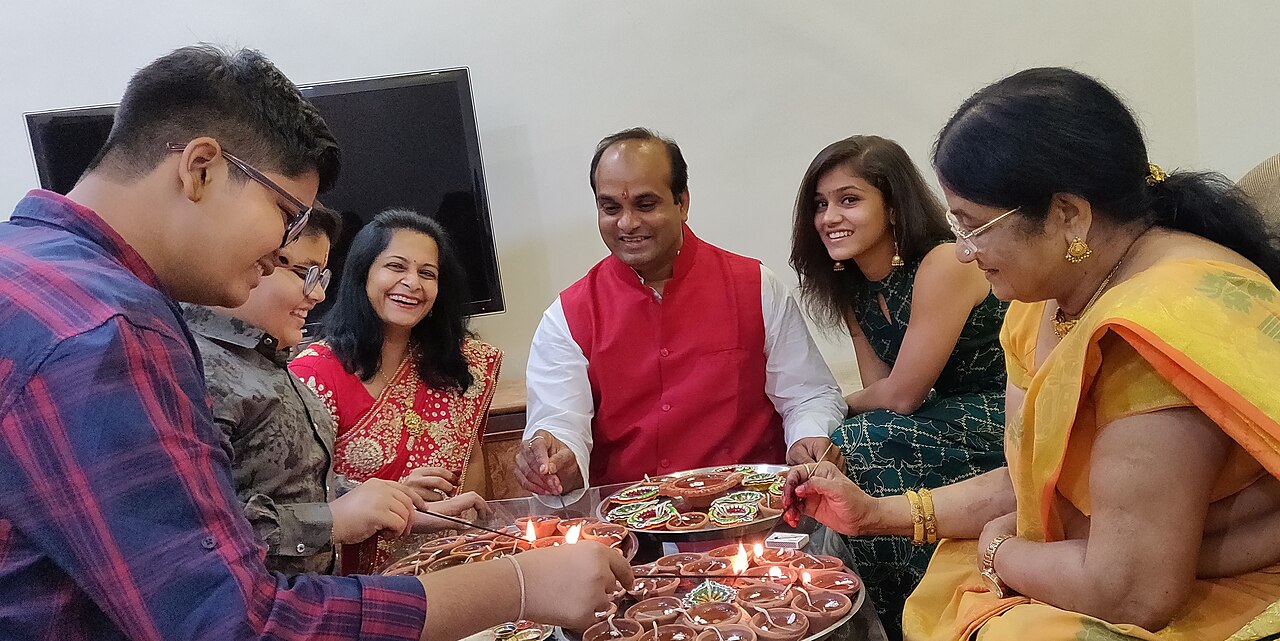
Nearly everyone reading this has played Teen Patti before. Probably at Diwali, probably with relatives, probably for stakes that did not really matter. The online game is the same three cards and the same rankings, but the money is real and the pace is four times faster — so the habits that were harmless at a family table start to cost something.
This is the part people from poker do not expect. A blind player bets half what a seen player bets, every single round, and gives away nothing about their hand because they do not know it either.
Put numbers on it. Four players, ₹10 boot. You stay blind and call ₹10 a round; the seen player next to you calls ₹20. After five rounds you have put in ₹50 and they have put in ₹100, and you are both still in the same pot with the same three cards each. You are buying the same lottery ticket at half price. The moment you look, your cost doubles — so look when you actually need to decide whether to commit, not on the first round out of habit.
Look at the rankings table again. High card comes up 74% of the time. A pair arrives once in six hands, a colour once in twenty, and a trail once in 425. Most of the time, nobody at the table has anything — which means most pots are won by whoever is willing to keep betting, not by whoever was dealt the best cards.
That cuts both ways. It is why aggression works in Teen Patti far more than in poker. It is also why calling every round with a weak pair, hoping it holds up, is the most common way to bleed money at a ₹10 table without ever feeling like you made a big mistake.
Asking for a side show forces one opponent to compare hands with you privately, and the weaker of the two folds on the spot. Used properly, it removes a player from a multi-way pot cheaply when you are holding something real.
Used badly, it burns your own hand against somebody who was about to fold anyway, and a refusal tells the whole table that you were not confident enough to just keep betting. Ask when you want an opponent gone. Do not ask because you want to know where you stand.
At home, a hand between two stubborn players can run until one of them gives up. Online tables run a pot limit: once the pot reaches the cap, a show is forced and the cards go down. That single rule removes the war-of-attrition play that works at a family table, and it is the adjustment most new online players miss.
The second change is that there is nothing to read except betting. No hesitation, no glance at the cards, no cousin who always smiles when he has a trail. All you have is bet size and timing, which is why a player who varies neither is much harder to beat online than across a table.
At an AK47 table, sixteen cards are wild. Trails stop being rare and a pair becomes close to worthless. At a Muflis table the rankings run backwards, so the trail you were delighted to see is now the worst hand at the table. These are not the same game with a decoration on top — they change which hands are worth money.
The practical rule is simple: read the variant on the table before you sit, and if it is not classic, play the first few hands smaller than usual until the new maths feels natural. Our live casino guide covers how the dealer tables run, and Andar Bahar is worth a look if you want something faster with a lower house edge.
Tables start at a ₹10 boot and go up from there, with the boot, chaal limits and pot cap all shown before you join. Because a hand resolves in under a minute, a Teen Patti table gets through far more rounds per hour than a sports bet ever will — so a session budget matters more here, not less.
Set a deposit or loss limit in your account before you sit down rather than deciding mid-session; responsible gaming explains how, and support can apply one for you in a minute. Winnings move to your wallet as each hand settles, and a withdrawal from a verified account normally reaches your bank in under ten minutes. Teen Patti tables are for players aged 18 and over.
FAQ
Rules, rankings and the money side, answered straight.
Everyone posts a boot to start the pot and gets three cards face down. Betting goes clockwise. You can play blind, betting without looking, or look at your cards and play seen at double the rate. Each player keeps calling, raising or folding until one player is left or two players go to a show, where the higher-ranked hand takes the pot. On FairPlay the boot starts at ₹10 and the whole hand usually takes under a minute.
A trail — three cards of the same rank — is the highest, and A-A-A is the strongest trail. Below it come pure sequence, sequence, colour, pair and high card. Two sequence quirks catch people out: A-K-Q is the highest run, and A-2-3 is the second highest, ranking above K-Q-J.
It is a genuine quirk of the game. There are 52 possible trails and only 48 possible pure sequences out of 22,100 three-card hands, so a pure sequence is very slightly rarer — yet the trail still outranks it. Teen Patti rankings were set by tradition rather than by strict probability, and this is the one place the two disagree.
Blind costs half as much per round and reveals nothing about your hand. Against a table full of players who look immediately, staying blind for the first few rounds keeps your cost low while they pay double for information they cannot act on cheaply. Look when the pot has grown enough that you need to decide whether to commit properly — not out of curiosity on the first round.
A side show, sometimes called a compromise, lets a seen player ask the previous seen player to compare hands privately. The weaker hand folds immediately. The other player can refuse, and play continues. Ask when you hold a strong hand and want to knock out one opponent cheaply in a multi-way pot — not when you are simply curious, because a refusal tells the table something about you.
Classic, Joker, AK47, Muflis, 999 and 20-20. Joker and AK47 add wild cards, which raises the average winning hand a long way. Muflis inverts the rankings so the weakest hand wins. Each table shows which variant it is running before you take a seat, and the rules are posted on the table itself.
Three things change. Rounds are far quicker — thirty to sixty seconds against several minutes at a family table. There are no physical tells, so betting patterns are the only read available. And tables run a pot limit, which forces a show once the pot reaches a set size instead of letting a hand run indefinitely between two stubborn players.
Live tables start at a ₹10 boot, with higher-limit and VIP tables also running. Each table displays its boot, its chaal limits and its pot cap before you join. Deposits through UPI clear in seconds, so you can move to a different stake level between hands.
Explore FairPlay