
Betting on a city that plays everything
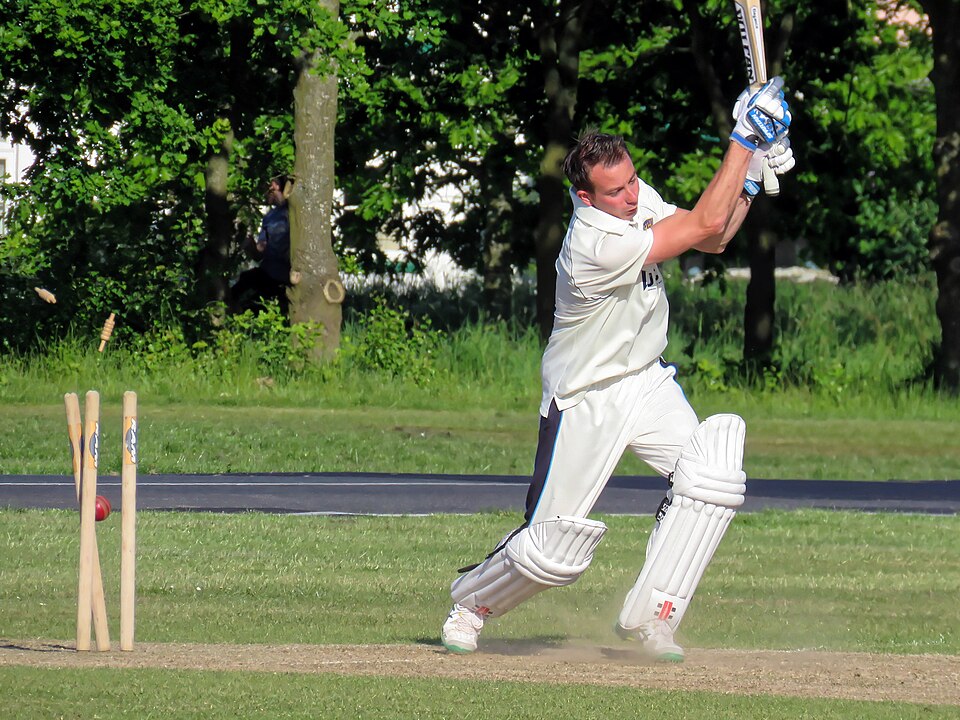
Most Indian cities have one sport that matters and a few that fill the gaps. Mumbai has a Test ground, a second Test ground round the corner, a racecourse on some of the most valuable land in the country, a Pro Kabaddi franchise and an ISL club — and a monsoon that shuts half of it down for four months a year.
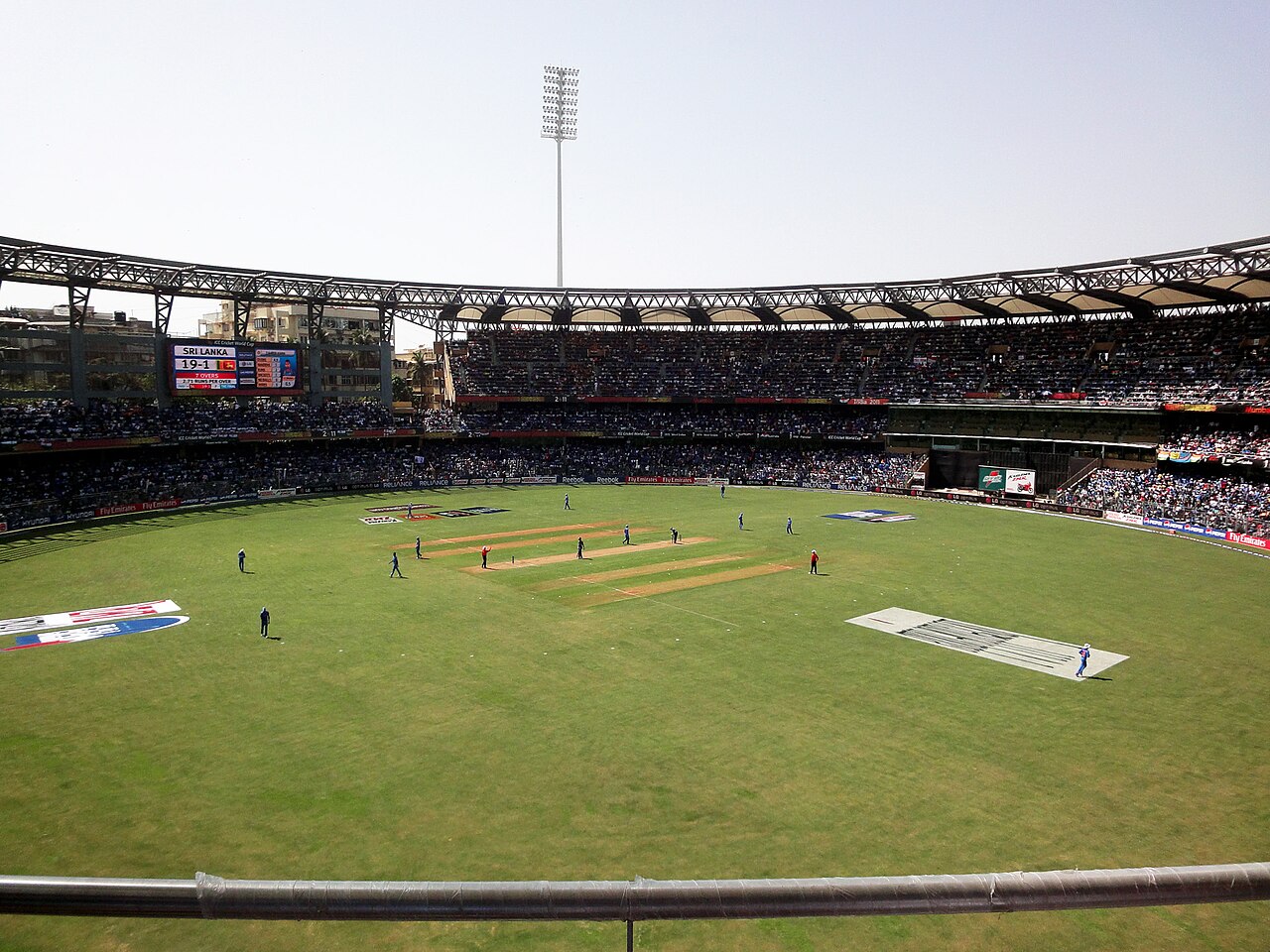
The dew at the Wankhede is a betting factor, not a detail
Coastal humidity and a 7:30 PM start combine into something quite reliable. Around the tenth over of the second innings, dew settles across the outfield. The ball comes off the surface faster, the spinners struggle to grip it, and the side batting second gets a genuine advantage that was not there at the toss.
This is why Mumbai captains who win the toss so often choose to bowl, and why a total that looked competitive at the innings break regularly is not. If you take one habit into a Wankhede match, make it waiting for the toss before touching the match odds market.
Mahalaxmi runs on a season, and seasons reward study
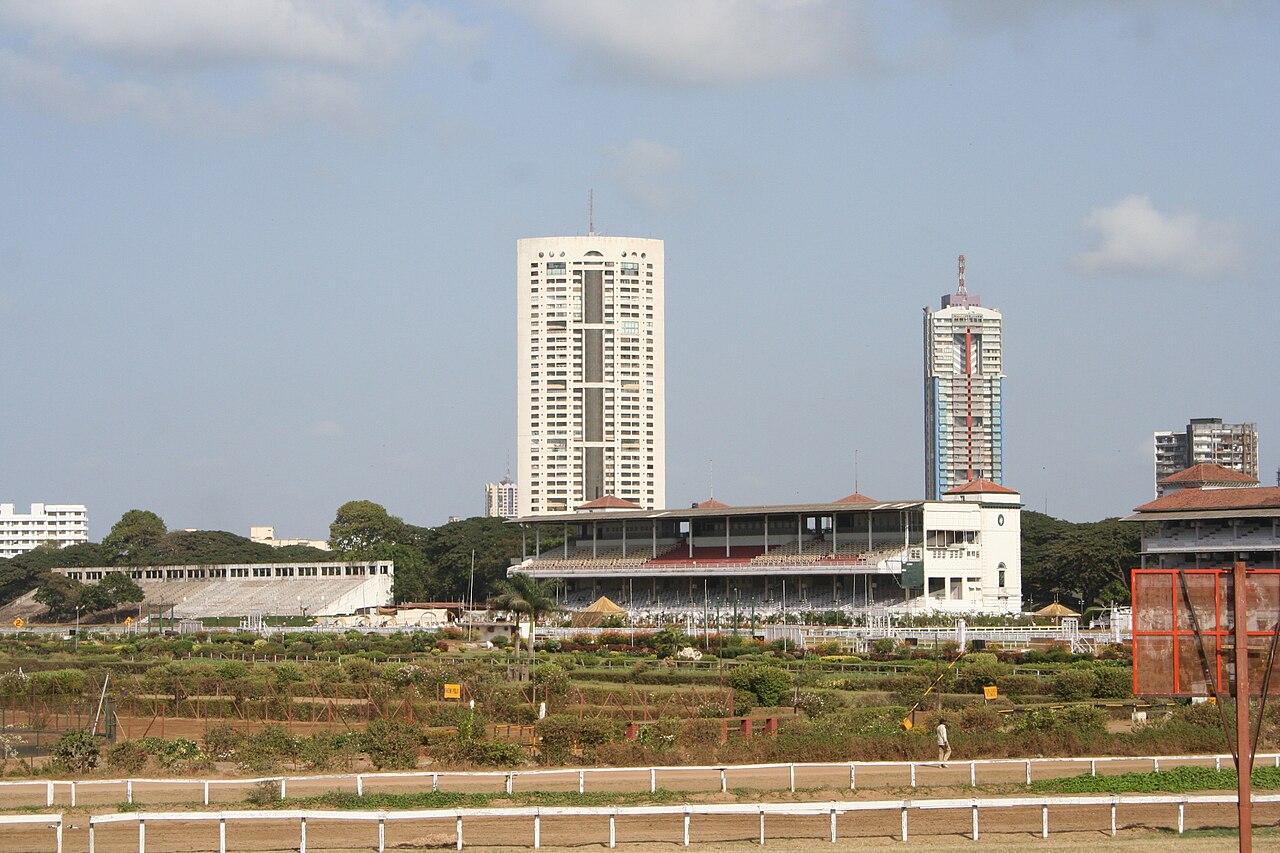
The Royal Western India Turf Club races at Mahalaxmi from around November to April, building to the Indian Derby in February. What makes it worth following is not the glamour of the Derby but the repetition: the same horses, trainers and jockeys meet over and over on the same track across a season.
That repetition is exactly what makes form reading pay. You build a picture of which runners handle the Mahalaxmi turf, which trainers place their horses well, and which ones flatter to deceive. Very few people do this work, which is precisely why it is worth doing — the racing page covers how to read a card.
Four months when the city stops, and one league that does not
From June the rain arrives and the professional calendar empties. Racing relocates to Pune, where soft monsoon going produces a different set of winners entirely. International cricket goes elsewhere.
What continues is club cricket. The Kanga League has been played through Mumbai monsoons since the 1940s, on wet and often matting wickets, and it is a large part of why the city produces the batters it does. Nobody is betting on it, but understanding that Mumbai cricketers grow up facing a moving ball on a damp Azad Maidan pitch explains something about how they play when conditions turn.
Kabaddi is the indoor exception
U Mumba play at the NSCI Dome in Worli, and because kabaddi is indoors the weather is irrelevant to it. The Pro Kabaddi season sits between October and December, after the rain and before the racing season peaks.
For a Mumbai bettor that is genuinely useful scheduling. It fills the gap between the end of the IPL and the heart of the winter racing calendar with a league that has thin markets and a strong local following — the combination where knowledge is worth most.
Late nights, and why UPI matters here
Mumbai keeps late hours. ISL kick-offs at 7:30, European football from 11 PM, and a Derby-week racing crowd that carries on long after the last race. A good share of the city's betting happens well outside banking hours.
That is the practical reason UPI dominates here over NEFT or net banking — it behaves identically at 1 AM and 1 PM, and payouts clear on the same basis. If most of your betting happens after midnight, it is also worth setting a deposit limit during the day, when the decision is easier to make well.