

Match Winner
Back or lay either side. League matches can end level, and the market rules tell you whether a tie voids the bet or settles it — check before you stake.
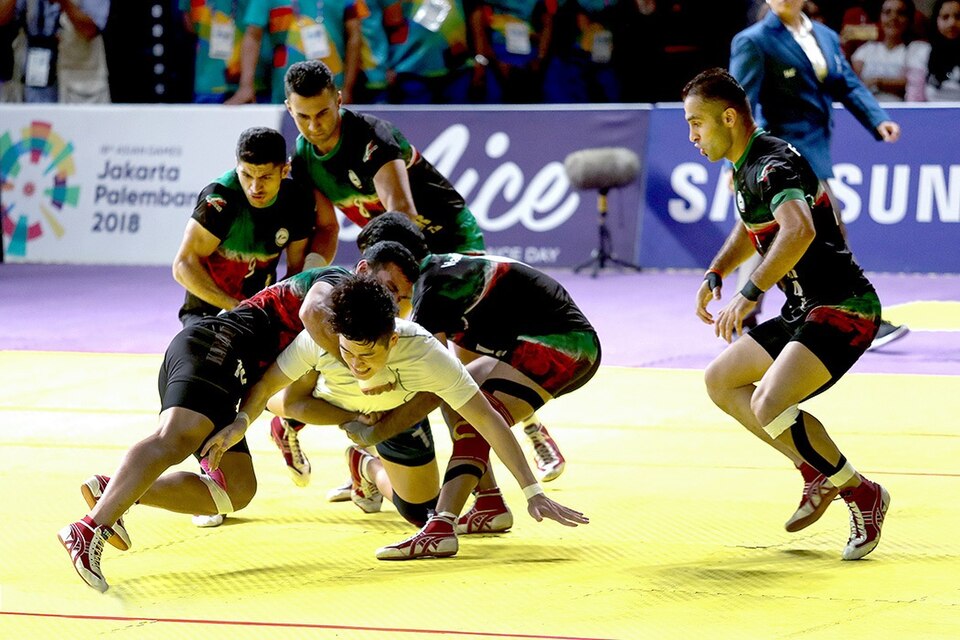
Made for India
Every Pro Kabaddi night, priced by people who watch the league. Raid points, super raids, super tackles, handicaps and all-out markets — plus in-play odds that jump the moment a defence drops to three men. Bets from ₹100.
Prices shown are illustrative
Jaipur Pink Panthers v Bengaluru BullsLive
Min 100 · Max 25,000
Min 100 · Max 25,000
Min 100 · Max 25,000
Tamil Thalaivas v Haryana Steelers
Min 100 · Max 20,000
Gujarat Giants v Bengal Warriorz
Min 100 · Max 20,000
How Points Are Scored
Kabaddi markets are built on raids and tackles, not goals. Seven scoring events drive all of them.
| Action | Points | When it happens |
|---|---|---|
| Touch point | 1 per defender | Raider touches defenders and gets back across the midline |
| Bonus point | 1 | Raider crosses the bonus line while six or more defenders are on the mat |
| Tackle point | 1 | Defence stops the raider returning to their half |
| Super tackle | 2 | Defence has three or fewer players left and still stops the raider |
| Super raid | 3 or more | A single raid brings back three or more points |
| All out | 2 bonus | A side loses all seven players; they then revive completely |
| Do-or-die raid | Nothing, or out | Third empty raid in a row — the raider must score or is sent off |
The all out is the one that matters. Two bonus points sounds small until you realise the side that conceded it also has to rebuild from scratch while the other team is in rhythm. A team that concedes two all-outs in a match has almost never won it.

Betting Markets
Around forty markets open on a Pro Kabaddi fixture. These are the ones that take real money.
Back or lay either side. League matches can end level, and the market rules tell you whether a tie voids the bet or settles it — check before you stake.
Over or under the combined score. One all out swings this by roughly eight to twelve points on its own, which is why the line moves so hard.
Raid points only, for a team or a named raider. Tackle points and all-out bonuses do not count, so a side can win the match and go under on this.
Yes or no on any raid bringing back three or more points. The price shortens sharply the moment a defence is down to three players.
A tackle made with three or fewer defenders on the mat, worth two points. Teams with strong corners produce these far more often.
A points start for the underdog. Useful when a top side meets a bottom side and the match winner price is too short to be worth taking.
The raider with the most points, settled on the official match statistics. A substitute raider stepping in for an injured starter is where the value usually sits.
Whether either side gets all-outed. Once a team is down to two players on the mat, this is close to settled and the price reflects it.
The League
Pro Kabaddi is the only Indian league where almost every major city has a side — which is a large part of why it draws the betting volume it does.
| Franchise | Home city | Local page |
|---|---|---|
| U Mumba | Mumbai | FairPlay Mumbai |
| Dabang Delhi K.C. | Delhi | FairPlay Delhi |
| Bengaluru Bulls | Bengaluru | FairPlay Bangalore |
| Telugu Titans | Hyderabad | FairPlay Hyderabad |
| Tamil Thalaivas | Chennai | FairPlay Chennai |
| Bengal Warriorz | Kolkata | FairPlay Kolkata |
| Puneri Paltan | Pune | FairPlay Pune |
| Gujarat Giants | Ahmedabad | FairPlay Gujarat |
| Jaipur Pink Panthers | Jaipur | — |
| Patna Pirates | Patna | — |
| Haryana Steelers | Sonipat | — |
| U.P. Yoddhas | Noida | — |
Getting Started
Four steps, and one piece of advice most people ignore.
Here is the honest case for betting on kabaddi rather than cricket. Everybody prices an IPL match. Analysts, models, professional syndicates, and several hundred thousand ordinary punters all have an opinion, and by the time the market opens, most of what can be known is already in the price.
Pro Kabaddi is followed closely in India and almost nowhere else. The markets are thinner, fewer people are pricing them carefully, and the sport rewards knowledge that only comes from actually watching it. If you follow the league anyway, you are holding an edge here that simply does not exist in cricket.
When a side loses all seven players on the mat, the opposition takes two bonus points and the beaten team revives fully. That two-point swing is the smaller half of the story. The bigger half is that a revived team comes back with players who have been off the mat and a defence that has to reorganise, against a side in rhythm.
Watch the total match points market when a team drops to two or three players. An all out is worth roughly eight to twelve points to the match total once you count the bonus and the run of raid points that usually follows. If you can see it coming a raid or two before the market reprices, that is the clearest in-play edge kabaddi offers.
Two empty raids in a row and the third becomes do-or-die: score or the raider is out. This is the most predictable moment in the sport, and it is where matches turn. A do-or-die raid against a full seven-man defence usually ends in a tackle point. Against a four-man defence, it often ends in a super raid.
Counting empty raids while you watch costs nothing and tells you when a pressure moment is one raid away. Most people betting on the match are not doing it.
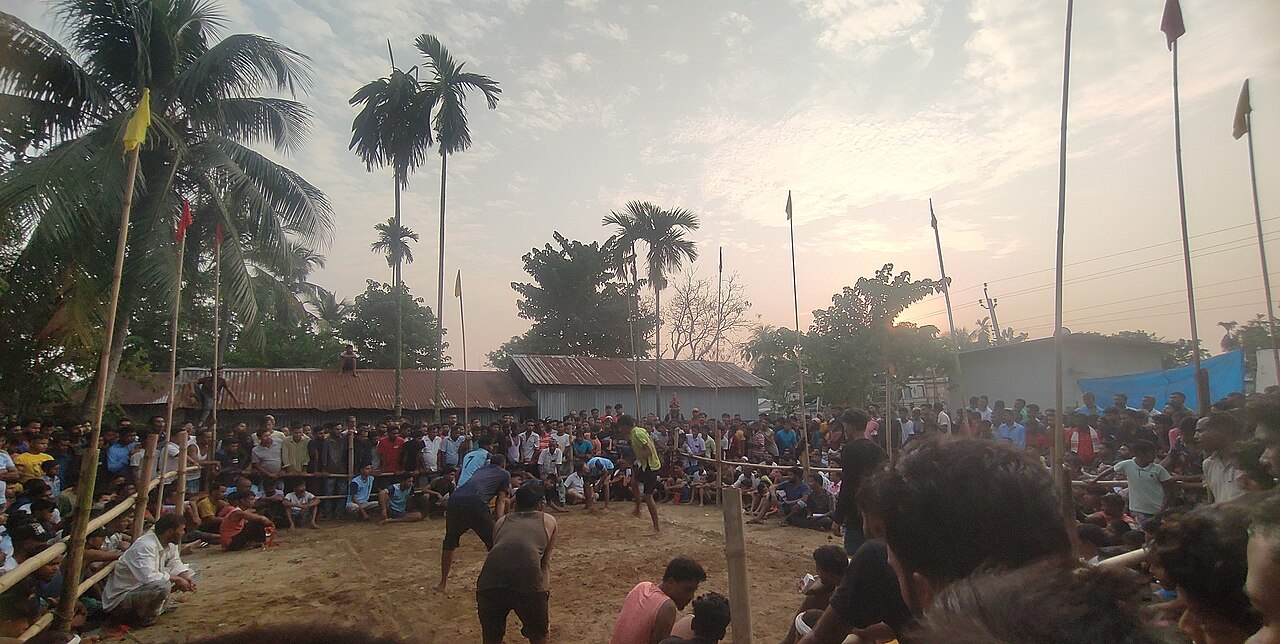
Raiders get the highlights and the raiders' names sell the league. But a team's profile is set by its corner defenders. Strong corners mean fewer raid points conceded, more do-or-die situations forced on the opposition, and more super tackles — which suppresses the total and makes the under attractive.
So when a first-choice corner is missing, the side you are looking at is not the side the price is based on. Team news in kabaddi moves markets less than it should, largely because fewer people are checking it. Check it.
Because so much of a team's scoring runs through one or two raiders, individual form shows up more starkly here than in most team sports. A raider in a good run can carry a side for three matches; the same player out of touch drags the whole attack down.
Highest raider and total raid point markets tend to lag that change by a match or two, particularly when a substitute has stepped up because of injury. That lag is where the value sits, and it closes quickly once the change becomes obvious.
PKL matches take ₹100 to ₹25,000, with playoffs higher. Kabaddi limits sit below cricket because the market is thinner — there is simply less money on the other side to match against, which is the same thinness that creates the opportunity.
Player markets settle on the official league statistics, so a disputed raid point follows the league's own record rather than a broadcaster's graphic. League matches can end tied and each market states how a tie settles. Winnings reach your wallet on settlement, and a withdrawal from a verified account is usually in your bank within ten minutes. If kabaddi season is when your betting picks up, set a deposit limit before it starts — responsible gaming covers how. You must be 18 or over to bet.
FAQ
Rules, markets and limits, for people who know the sport better than the betting.
Open an account, add money through UPI, and pick a PKL fixture from the board. The main markets are match winner, total match points, total raid points, super raid, super tackle and points handicap. Minimum stake is ₹100 and PKL matches take up to ₹25,000. Prices update through the match, so you can also bet in-play once you have seen how the defences are holding.
A super raid is one raid that brings back three or more points. It usually happens when a defence is already short-handed, because a raider only needs to touch three men who are spread thin. FairPlay prices it as a yes-or-no market for the match, and the price shortens hard the moment either side drops to three players on the mat.
When a defending side is down to three or fewer players and still stops the raider, they get two points instead of one. The extra point exists to give a short-handed team a genuine route back into the game. For betting purposes it matters because sides with strong corner defenders convert these far more often, and that shows up in the total points market.
A lot. The side that gets all-outed hands over two bonus points and then revives all seven players, so the match resets with a points swing already banked. Two conceded all-outs is close to fatal — that is roughly a ten to fifteen point hole in a game where the average winning margin is far smaller. On the total match points market, one all out typically adds eight to twelve points.
If a team plays two raids in a row without scoring, the third is do-or-die: the raider must bring back a point or they are out. It creates a predictable pressure moment, and it is the single most useful thing to watch for in-play. A do-or-die raid against a full-strength defence very often ends with a tackle point and a shift in momentum.
The full Pro Kabaddi League season across all twelve franchises, including the eliminators, qualifiers and final, which carry raised limits. Beyond PKL we price the Asian Games kabaddi events, the Kabaddi World Cup, circle-style Punjab kabaddi, and selected state and national championship fixtures during the PKL off-season.
Yes, league-stage matches can finish level. How that settles depends on the specific market — some match winner markets void and return stakes on a tie, others offer a tie option at its own price. Playoff matches go to extra time or a golden raid, so they always produce a winner. The rule is printed on each market before you place the bet.
Minimum ₹100 and maximum ₹25,000 on a standard PKL fixture, with playoff matches carrying higher ceilings. Kabaddi limits are lower than cricket because the markets are thinner — fewer people bet on them, so there is less money on the other side to match against. The board prints the exact ceiling against every fixture before you stake.
Explore FairPlay